
SECONDARY CONTAINMENT:

Secondary containment is a required control under the Hazardous Substances Regulations 2017, helping NZ workplaces prevent environmental contamination, protect drains and waterways, and meet WorkSafe NZ’s secondary containment requirements for hazardous substances held above threshold quantities. Effective containment supports compliant storage, decanting, and emergency management planning, including bund capacity expectations.
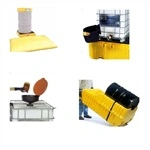
Our secondary containment range includes spill decks, IBC spill pallets and hard tops, drive‑over bunding, flexible bladders, funnels, drum handling equipment, and waste storage containers designed to support location compliance certificates, safe segregation of incompatible substances, and robust spill control measures in NZ workplaces.
See WorkSafe NZ’s guidance on hazardous substance containment.
https://www.worksafe.govt.nz
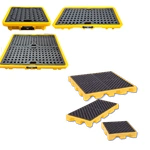
Spill Decks
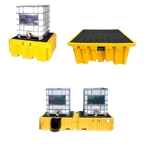
IBC Spill Pallets
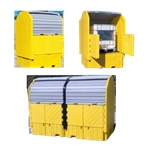
IBC Hard Tops
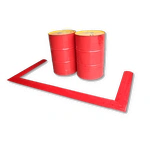
Drive-Over Bunding
Bladders, Buckets, Funnels, Drum Trolleys
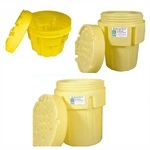
Waste Storage Containers
⭐ Frequently Asked Questions
What is secondary containment and why is it required?
Secondary containment captures leaks, drips, or spills from containers holding hazardous substances. It is required under HSWA and EPA rules to prevent environmental contamination and reduce exposure risks.
When should I use a spill deck or spill pallet?
Spill decks and IBC spill pallets are used when storing drums or IBCs containing hazardous liquids. They provide built‑in sump capacity to contain leaks and meet NZ secondary containment requirements.
What is the difference between an IBC spill pallet and an IBC hard top?
Spill pallets provide sump containment for IBCs. Hard tops add weather protection and security, making them suitable for outdoor IBC storage where exposure to rain or UV needs to be controlled.
When is drive‑over bunding used?
Drive‑over bunding creates a sealed containment zone for vehicle access areas, loading zones, and workshops. It helps prevent spills from spreading beyond the controlled area.
Do I need flexible bladders or funnels if I already use spill pallets?
Yes. Bladders, funnels, and drum handling tools help prevent spills during pouring, decanting, and drum movement — tasks not covered by static containment alone.
What can be stored in waste storage containers?
Waste storage containers are used for contaminated absorbents, PPE, rags, and other hazardous waste generated during spill response or routine handling.