Floating Oil Booms — Technical Information & Usage Guidance
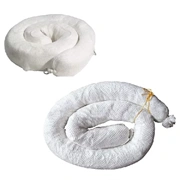
Floating oil booms are water‑borne containment barriers designed to control, divert, and isolate spills on ponds, drains, harbours, and other waterways. Their durable outer skin and internal flotation chambers allow them to sit securely on the water’s surface while preventing oil, fuel, and contaminants from spreading. EnviroproNZ supplies floating booms for marine, industrial, stormwater, and emergency response applications across NZ workplaces.
Floating Oil Booms Usage
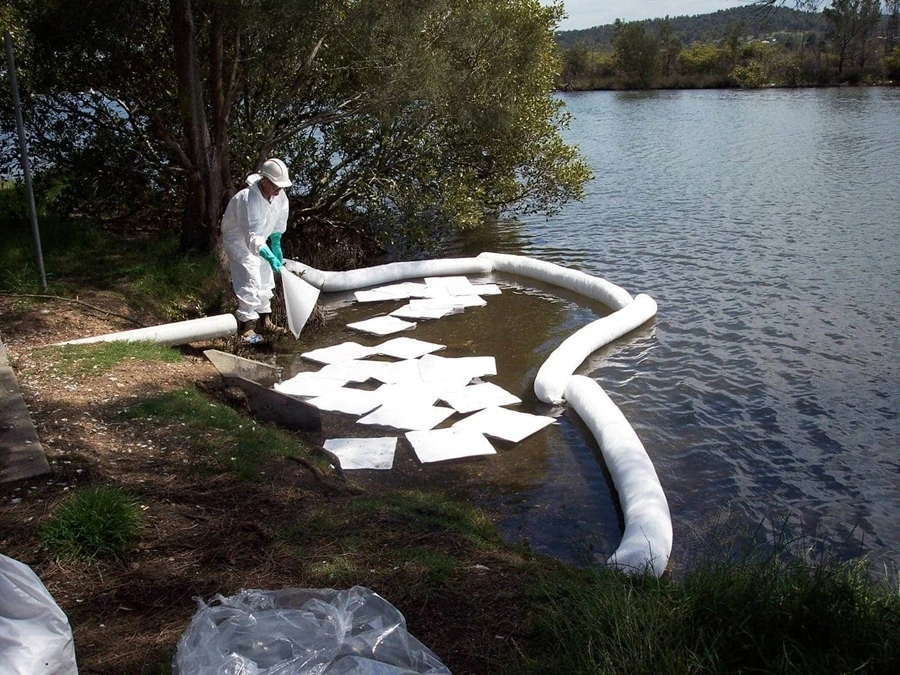
Floating booms are used when spills occur on water or when there is a risk of contaminants entering drains, streams, or marine environments. Their continuous barrier design allows responders to encircle a spill, protect sensitive areas, or divert contaminants toward recovery points. Booms help maintain environmental compliance by preventing the spread of hydrocarbons and other pollutants.
Key Features
High‑visibility containment barrier — Bright, durable outer skin designed for clear identification on water during spill response operations.
Stable flotation chambers — Internal floats keep the boom upright, ensuring reliable containment of oil, fuel, and contaminants on ponds, drains, and marine environments.
Continuous spill control — Long, linked sections allow responders to encircle spills, divert contaminants, or protect sensitive areas such as stormwater inlets and waterways.
Heavy‑duty construction — Reinforced seams, UV‑resistant materials, and abrasion‑tolerant skins suitable for NZ industrial, marine, and emergency response conditions.
Secure connection hardware — End‑to‑end connectors allow multiple boom sections to be joined for extended containment lines.